
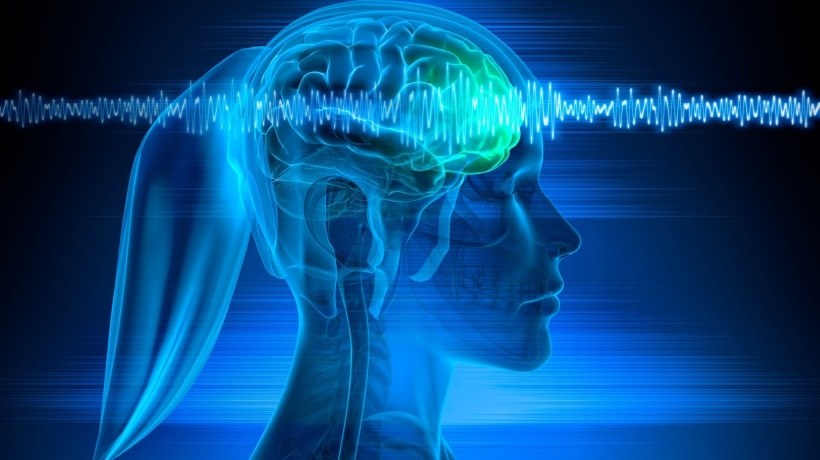
The Cognitive Feedback Loop By late 2026, the concept of a “static” user interface is becoming obsolete. As we spend more time in high-stakes digital environments, our software has started to monitor our mental state. Neuroadaptive Workstations use non-invasive sensors—often built into the frames of smart glasses or high-end headsets—to read EEG (brainwave) and EOG (eye movement) patterns.
How the System Responds
- Dynamic Complexity Scaling: If the sensors detect “High Cognitive Load” (stress or overwhelm), the workstation automatically simplifies the UI. It hides non-essential notifications, reduces the amount of text on the screen, and shifts your AI assistant into “Summarization Mode.”
- Flow State Protection: When you enter a “Flow State” (characterized by specific Alpha-Theta brainwave ratios), the OS enters a hard lockdown. All external pings are diverted to an agentic mailbox, and the screen temperature shifts to optimize for deep creative work.
- Fatigue Alerts: Instead of a generic timer, the workstation knows when your neural processing speed is dropping. It suggests a “Sattvic break” exactly when your brain needs it, rather than when a clock says so.