
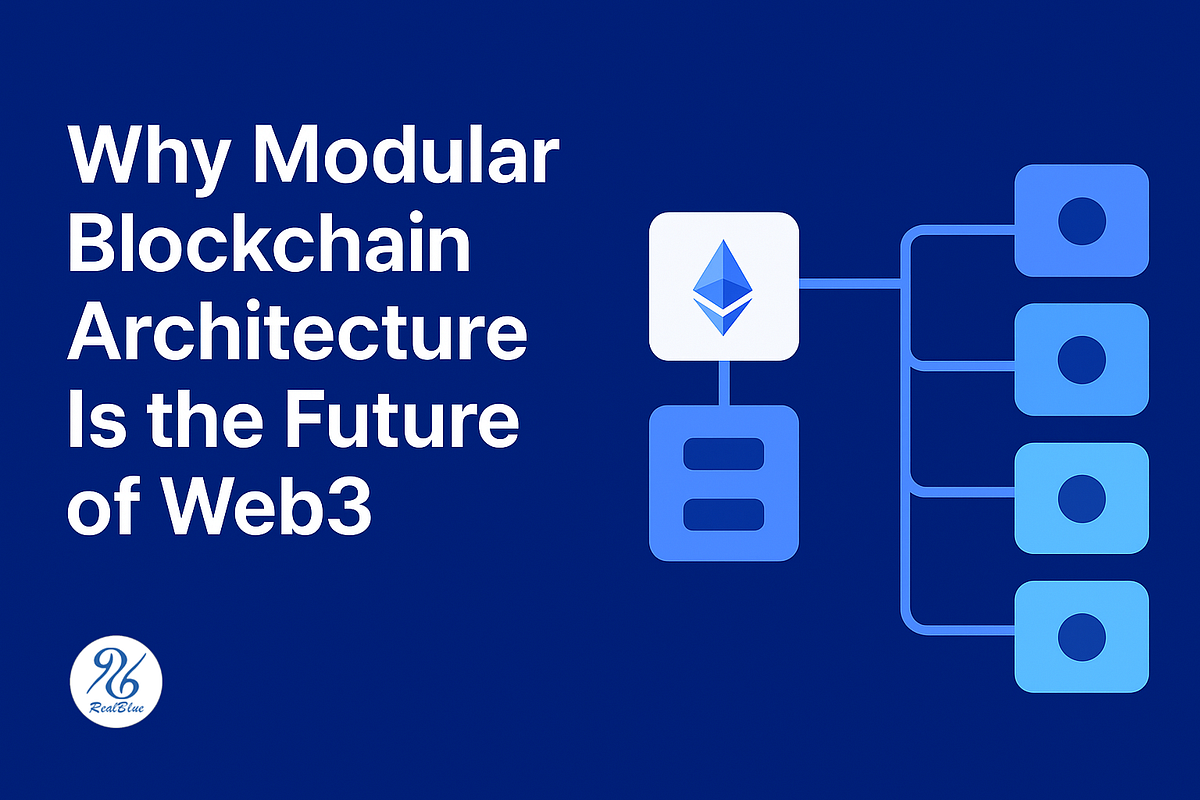
Beyond the Monolithic Chain In the early days, blockchains like Bitcoin or Ethereum were “monolithic”—they handled everything (Data Availability, Consensus, and Execution) on a single layer. This made them secure but extremely slow and expensive. In 2027, the industry has pivoted to Modular Architectures.
The Three Pillars of Modularity
- Execution Layer: This is where the “work” happens (like your USDT swaps). By moving execution to “Rollups,” we can process thousands of transactions per second without clogging the main network.
- Data Availability (DA) Layer: Instead of every node storing every piece of data, specialized DA layers (like Celestia or Avail) ensure that the data is available to be checked without taking up massive storage space.
- Consensus Layer: This is the “Supreme Court” of the blockchain (like the Tron or Ethereum mainnets). It provides the ultimate security and finality, but it only deals with the “proofs” of the work done on the layers above.
The Result for the User: This modular shift is what finally makes zero-fee transactions a reality. By breaking the blockchain into specialized parts, we achieve the speed of a centralized database with the security of a decentralized network.